

Get 10% off at Keratin.pro! Enter the promo code KERALIPIDXX at checkout! P.S. The promo code is valid for all products except those already discounted.
Dryness, breakage, frizz, and loss of shine are common hair problems after bleaching, colouring, chemical treatments, and regular use of heat styling tools. However, the same visible signs do not always indicate that hair strands have the same needs. In some cases, hair lacks protein components that help improve its strength and perceived density, while in others, it lacks lipids, which are essential for smoothness, elasticity, and surface protection.
That is why, before choosing professional hair reconstruction products, it is important to identify the primary needs of the damaged hair lengths. Protein and lipid reconstruction serve different purposes, and the right combination of these hair care approaches helps gradually improve the condition of hair strands, make them easier to comb, and restore a well-groomed appearance.
Protein and Lipid Hair Reconstruction: What Is the Difference?
To choose the right products for damaged hair restoration, it is important to understand the functions of protein components and lipids. They perform different roles, so they cannot always replace one another.
Hair consists primarily of keratin, a protein that forms its internal structure. Under the influence of bleaching, colouring, and other aggressive treatments, protein components can become damaged or depleted. Hydrolysed proteins and keratin contained in cosmetic products can penetrate the hair shaft and help replenish lost or damaged components.
Lipids, in turn, play a role in forming the hair's protective barrier. They help reduce friction between hair strands, maintain smoothness, and support moisture retention. When the lipid layer is damaged, hair may feel drier to the touch, become more difficult to comb, develop increased frizz, and lose its shine.
Protein reconstruction is primarily aimed at improving the perceived strength, density, and elasticity of damaged hair strands. Lipid reconstruction helps soften the hair, improve its slip, reduce frizz, and make the surface smoother.
Signs of Protein Deficiency: When Hair Needs Strengthening
After chemical treatments, hair may lose some of its protein components, become less resistant to mechanical stress, and be more easily damaged during combing. Particular attention should be paid to the condition of bleached hair strands that have undergone repeated treatments or intensive heat exposure. The following signs may indicate a need for protein-based hair care:
- Reduced strength. Hair breaks more easily during combing, styling, or detangling knots.
- Excessive softness and weakness. Hair strands feel insufficiently elastic, hold their shape less effectively, and may lose volume.
- Increased porosity. Hair gets wet quickly, dries unevenly, tangles easily, and does not maintain smoothness well.
- Damage after bleaching. The lengths have become more fragile, the ends break off, and regular hair care products no longer provide a sufficient feeling of density.
- Deterioration of mechanical properties. Hair strands are less resistant to tension during styling, so they require gentler handling and a well-planned hair care routine.
These signs are not a definitive test for protein deficiency. For example, porosity and breakage may also be associated with cuticle damage, a lack of lipids, excessive friction, or a combination of several factors. Therefore, it is important to assess not just one characteristic but the overall condition of the hair and how it responds to different products.
Which Products Should You Choose for Protein Reconstruction?


If the main problem is breakage, loss of perceived density, and damage after chemical treatments, it is worth considering professional products containing hydrolysed proteins, keratin, and other hair regeneration ingredients:
- Tyrrel Mel Capilar Honung Honey — a professional collagen-based treatment designed for damaged hair. It can be considered for reconstruction procedures when the goal is to improve smoothness, softness, and the well-groomed appearance of hair strands. The product is used in professional cold hair restoration protocols, as well as a preparatory treatment before certain hair modification procedures.
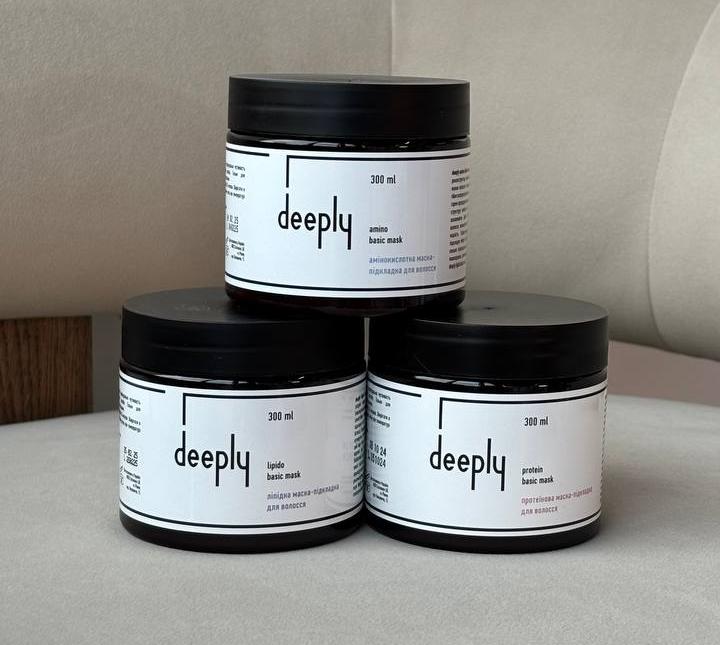
- deeply Protein Basic Mask — a protein-based preparatory mask for porous hair with minor damage. Its ingredients include hydrolysed wheat proteins, keratin, collagen, and milk protein, which help condition hair strands and improve their mechanical properties. The product can be used as a separate stage of cold hair restoration or as a preparatory treatment within professional procedures, if provided for in the protocol. The mask is suitable when hair needs support after damage and an improvement in its perceived density without automatically switching to more intensive care.
- Nuance Mask Pro Impact — a mask for weakened hair damaged by colouring, chemical treatments, or regular heat styling. Its stated ingredients include hydrolysed keratin, argan oil, and coconut oil, so the product provides not only protein-based care but also softening and frizz reduction. The mask helps improve combability, add shine to hair strands, and make them more manageable. It can be considered for comprehensive care of damaged hair lengths when a combination of conditioning, softening, and hair support after chemical or heat exposure is needed.
Protein-based products should not be used without control. Excessive protein can lead to protein overload, causing hair to become dry, stiff, and unmanageable. A qualified professional can assess the needs of hair strands and their response to hair regeneration products.
Signs of Lipid Deficiency: Why Hair Is Dry and Frizzy
Lipid-based hair care is particularly relevant when hair has lost its smoothness, feels rough to the touch, and does not retain moisture well. Such changes are often observed after bleaching, frequent washing, hot styling, and exposure to environmental factors. Cuticle damage and disruption of the surface lipid layer can increase friction between hair strands, making them more prone to tangling and breakage. The following signs may indicate a possible need for lipid-based hair care:
- Dryness along the lengths. Hair feels stiff, rough, and insufficiently soft even after washing.
- Frizz after washing. Hair strands stick out in different directions, lose smoothness as they dry, and react to humidity.
- Lack of shine. The hair surface looks uneven, and light reflects less effectively than it does from smooth hair strands.
- Difficult combing. Hair tangles easily, catches on itself, and creates additional friction during styling.
- Insufficient elasticity. The lengths feel dry and less flexible, while the ends are easily damaged by mechanical stress.
At the same time, dryness and frizz do not prove that hair is lacking lipids specifically. Similar symptoms may also accompany protein damage, insufficient conditioning, or excessively aggressive hair care. Therefore, it is important to consider how hair strands respond to products with different functions.
Which Products Should You Choose for Lipid Reconstruction?


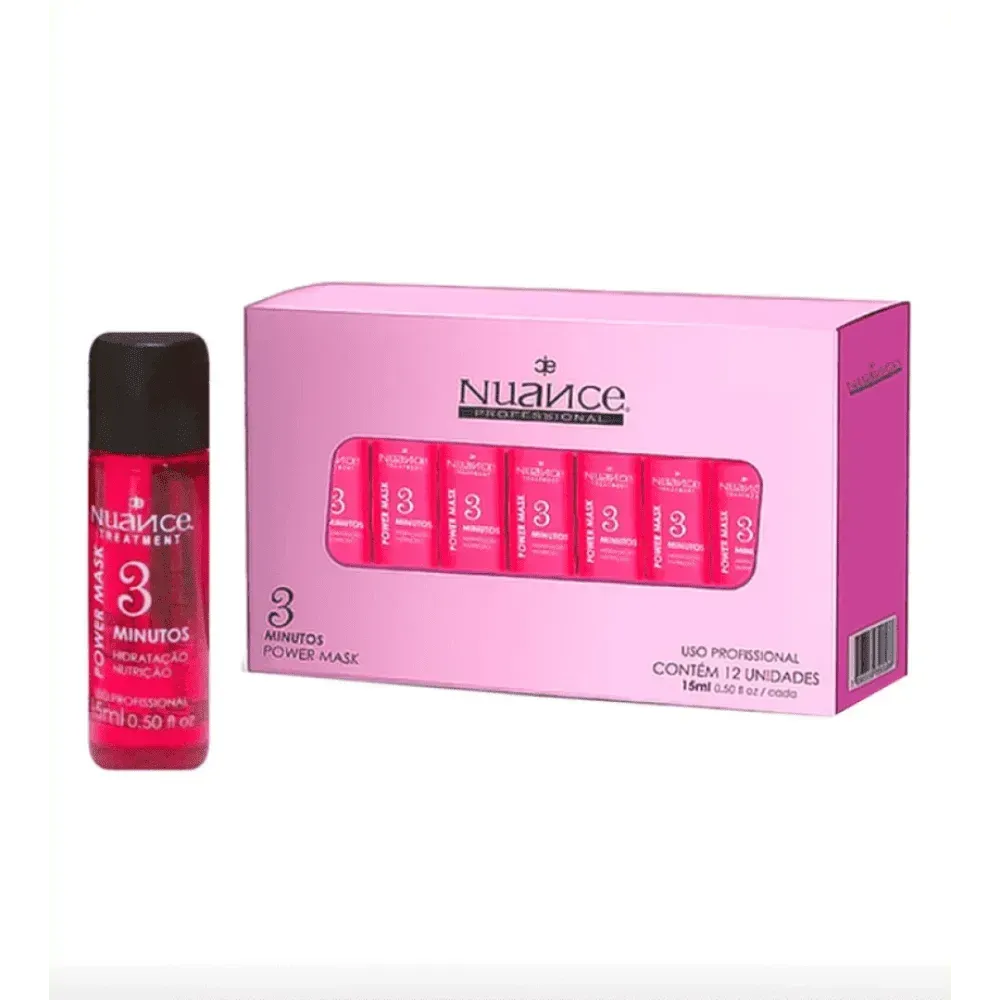
If hair needs softening, smoothness, and better surface protection, it is worth considering products containing oils, emollient ingredients, and conditioning agents. They help reduce friction, improve combability, and make damaged hair lengths more manageable:
- Tyrrel Maxxi Therapy Moisture — a professional hair care product suitable for hair with varying degrees of damage. Its composition includes coconut oil, shea butter, panthenol, aloe extract, and hydrolysed keratin. This combination helps soften the hair, maintain its moisture levels, and improve smoothness and shine. The product can be used as a hair length mask, in cold hair restoration treatments, or as a preparatory treatment before certain hot procedures.
- deeply Lipido Basic Mask — a lipid-based preparatory mask designed for hair with minor damage. Its composition includes coconut oil, shea butter, jojoba oil, as well as conditioning agents, hydrolysed proteins, and keratin. Thanks to the combination of these ingredients, the product helps soften hair strands, improve their elasticity, and reduce surface roughness. The mask can be used for cold hair restoration or as a preparatory treatment within professional procedures.
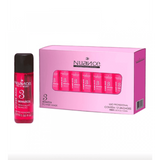
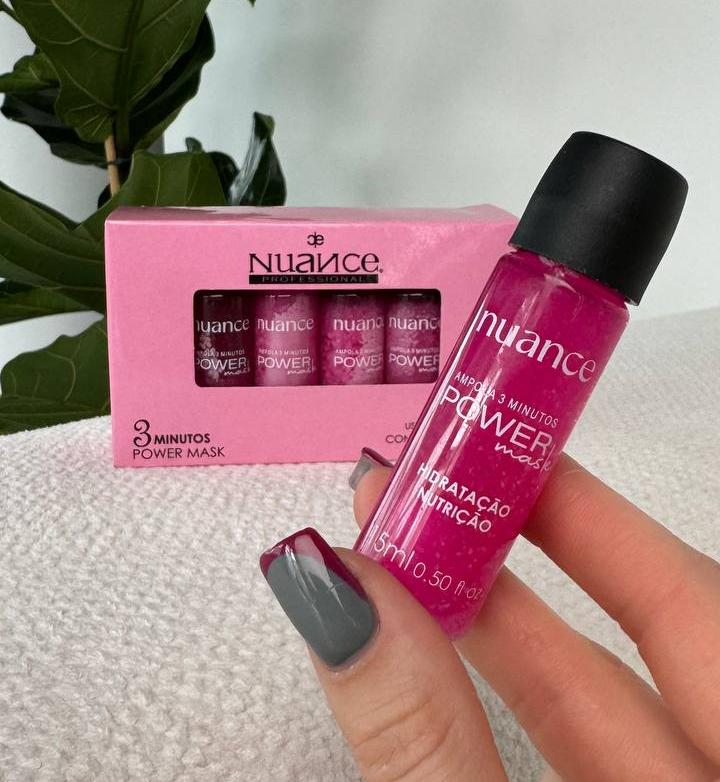
- Nuance Ampola 3 Minutos Power Mask — a product for quick care of dull and damaged hair that lacks softness and shine. Its composition includes argan, almond, and hazelnut oils, as well as aloe extract. The combination of emollient ingredients helps improve the slip of hair strands, make combing easier, and reduce the feeling of dryness. A distinctive feature of the product is that the mask is prepared by mixing the concentrate with water and requires only a short application time, making it a convenient option for regular care of hair lengths.
After lipid-based hair care, hair usually becomes softer and more manageable, while hair strands are easier to separate during combing. However, if the main problem remains breakage and a feeling of weakness, it is worth assessing the need for additional protein-based products rather than relying solely on softening.
How to Determine What Hair Is Lacking: Proteins or Lipids?
It is not easy to determine the needs of damaged hair based on its appearance alone. For example, porous hair strands may be simultaneously dry, frizzy, and brittle because different structural components of the hair are often damaged after chemical treatments. Therefore, it is best to assess several characteristics together. The following guidelines can help with the initial selection of hair care products.
- if breakage and a feeling of weakness are the predominant issues, consider protein reconstruction, taking the degree of damage into account;
- if the hair is mainly dry, rough, and frizzy, it is advisable to start with lipid-based and conditioning care;
- if hair strands break, become frizzy, and are difficult to comb at the same time, a comprehensive approach involving alternating products with different purposes may be necessary;
- if hair becomes stiffer after using a protein mask, do not automatically increase the number of treatments. It is better to reconsider the frequency of use and assess how the hair responds to softening products;
- if hair remains weak and continues to break after using a lipid mask, it is worth reviewing the restoration programme and checking whether the care routine provides sufficient support for the damaged structure.
These guidelines help determine the direction of hair care but are not an accurate diagnostic test. The response to cosmetic products depends on the initial condition of the hair, the composition of the specific product, frequency of use, and other stages of the hair care routine.
Can Protein and Lipid Reconstruction Be Combined?
Yes, these two hair care approaches can complement each other. Protein components help improve the properties of the damaged hair shaft, while lipid-based and conditioning ingredients help soften hair strands, reduce friction, and maintain smoothness.
It is important not to try to apply every available product in a single treatment. It is much more beneficial to select a sequence according to the condition of the hair and assess the results after each stage. It is also better to entrust product selection, application, and result monitoring to a qualified professional. They are familiar with the rules of hair strand care.
A systematic approach makes it possible not only to improve the appearance of the hair but also to reduce the factors that contribute to further damage. At the same time, severely damaged areas require particularly gentle handling: cosmetic products can improve their properties, but they do not eliminate the need to limit aggressive treatments.
Where Can You Buy Hair Reconstruction Products?
For effective hair care, it is important to find a product that meets the actual needs of your hair. At the KeratinPro online store, you can choose professional cosmetics for different stages of hair care — from softening dry lengths to supporting damaged hair strands after colouring and other chemical treatments. Our advantages include:
- a professional range of hair care products, including cold botox products;
- a wide selection of products for home care: shampoos, hair masks, leave-in treatments, and more;
- selection by purpose — you can easily choose a hair care routine according to the needs of your hair lengths;
- convenient online ordering;
- detailed product descriptions;
- consultation support;
- attractive prices;
- fast delivery across Ukraine.
Properly selected reconstruction treatments help gradually improve hair smoothness, elasticity, and strength, make hair strands more manageable, and maintain their well-groomed appearance.
You can also read our other interesting articles, including: