

Get 10% off at Keratin.pro! Enter the promo code KERASPA2026 at checkout! P.S. The promo code is valid for all products except those already discounted.
Contents
Why does hair become dry after spending time by the sea?
How does the sun change hair structure?
What happens to the hair cuticles?
Why do coloured and bleached hair react more strongly?
Does hair need to be regenerated after spending time by the sea?
How can you protect your hair next time?
The sea and hair after keratin straightening: is special care necessary?
How can you recognise that your hair needs regeneration?
KeratinPro — a professional approach to hair care after spending time by the sea
Spending time by the sea is often associated with beautiful, natural waves, light volume and a feeling of freshness. However, the combination of seawater, solar radiation, wind and frequent washing creates completely different conditions for hair. After a holiday, strands may become drier, rougher, duller, more porous and more prone to breakage.
It is important to understand that seawater alone does not damage hair in a single day. The problem results from the combined effects of several factors, especially if the hair has already been damaged by colouring, bleaching, chemical treatments or the regular use of high temperatures. Solar radiation, in particular, can change the properties of the hair fibre and affect its proteins, lipids, pigments and cuticle surface. In such cases, it is necessary to plan an appropriate hair regeneration routine after spending time by the sea.
Why does hair become dry after spending time by the sea?
The hair shaft consists mainly of keratin proteins, and its outer part is covered by the cuticle — layers of scales that partially protect the internal structures. When the cuticle is sufficiently smooth and the scales fit closely together, hair reflects light better, is easier to comb and looks shiny. But what happens to hair after swimming in the sea?
Seawater contains significant amounts of dissolved salts. After swimming, some of the water evaporates, while the dissolved substances remain on the hair surface. This is why strands may feel rough and stiff to the touch after drying. In addition, seawater is not the only factor: spending time in the sun with wet hair, wind, mechanical friction and repeated wetting increase the overall strain on the hair.
This is particularly noticeable in porous or bleached hair. Its cuticle is already damaged or uneven, so it loses its pleasant smoothness more quickly and requires more careful conditioning.
How does the sun change hair structure?
Solar radiation affects more than just the skin. Hair also undergoes photochemical changes. Ultraviolet radiation can cause the oxidation of hair fibre components, including proteins and pigments. Exposure to UV radiation can change the mechanical properties of hair, the roughness of its surface, its protein content and its colour.
Within the hair shaft, the cuticle is the structure most directly exposed to external factors. Prolonged exposure to the sun can contribute to cuticle damage, lifting of the scales and the loss of some of them. According to research, the combination of exposure to solar radiation and mechanical action during washing can intensify cuticle damage.
At the same time, the sun should not be regarded as a cause of immediate hair destruction. The extent of damage depends on the duration and intensity of exposure to radiation, the initial condition of the hair, its colour and other factors. Bleached hair, from which some of the natural melanin has been removed, may be particularly susceptible to photochemical damage.
What happens to the hair cuticles?
The cuticle is the first structure to bear a significant proportion of the effects of external factors. Its condition directly affects how hair feels to the touch and how it behaves when being combed. When the hair surface becomes uneven, friction between the strands and the comb increases. As a result, hair may become more tangled, more difficult to comb and more susceptible to mechanical damage. Photochemical damage to the cuticle increases roughness, reduces shine and leads to the appearance of split ends. After spending time by the sea, you may notice:
- dryness and a feeling of stiffness;
- dullness instead of the usual shine;
- an increased tendency to frizz;
- tangled strands;
- greater difficulty combing the hair;
- increased hair breakage;
- more noticeable porosity;
- faster colour fading or a change in the shade of coloured hair.
These symptoms do not necessarily mean that irreversible structural damage has occurred along the entire length of the hair. Some problems are related to the condition of the surface and the loss of the lipid-conditioning layer, which means that appropriately selected hair care can significantly improve the hair's cosmetic properties.
Why do coloured and bleached hair react more strongly?
Natural hair also ages under the influence of environmental factors, but hair that has undergone chemical treatments is additionally exposed to damage. Bleaching and certain other chemical treatments change the structure of the hair fibre, which means that the subsequent strain caused by ultraviolet radiation and mechanical factors may be less well tolerated.
This applies particularly to blonde hair. Solar radiation can oxidise melanin and affect hair colour. Such changes are usually more visible on light strands than on dark hair. In addition, bleached hair may be more susceptible to photochemical damage because of the reduced natural protection provided by pigment. Therefore, after a holiday, it is important to assess not only the appearance of the hair but also how it behaves: how easily it can be combed, whether it retains its elasticity and whether it has become excessively dry and brittle.
Does hair need to be regenerated after spending time by the sea?
Not all hair requires intensive reconstruction after a holiday. If the strands remain soft, elastic and easy to comb, it is enough to return to a regular, balanced hair care routine.
However, if the hair has become dry, porous and unruly after spending time by the sea, it is worth focusing on conditioning, hydration and surface protection. For damaged hair along the lengths, suitable products may contain conditioning ingredients, lipids, proteins or hydrolysed proteins. These can improve the mechanical and cosmetic properties of the hair, reduce friction and make the strands smoother. It is worth basing an optimal hair care routine after spending time by the sea on several principles:
- gently cleanse the hair to remove seawater residue, sweat and protective products;
- use a conditioning product after every wash;
- regularly use a mask suited to the condition of the hair lengths;
- use leave-in products to reduce dryness and friction;
- do not comb wet hair roughly or apply excessive force;
- temporarily reduce the number of styling sessions involving high temperatures;
- apply heat protection before using a hairdryer or styling appliance;
- after bleaching or colouring, pay particular attention to the condition of the hair lengths.
The main purpose of this type of care is to limit further damage, protect the fibre surface and improve hair elasticity and manageability.
How can you protect your hair next time?

The best hair regeneration after spending time at the beach is the kind that does not need to be carried out after every holiday. Prevention helps reduce the overall strain on the hair, especially if you regularly colour or bleach its lengths. Before swimming, it is worth wetting your hair with fresh water so that it is not completely dry before coming into contact with seawater. After swimming, it is best to rinse the lengths with fresh water. When spending extended periods in the sun, additional physical protection — a hat, Panama hat or other head covering — remains one of the simplest ways to limit direct exposure of the hair to radiation. Summer protective hair care is worth supplementing with the following habits:
- do not leave your hair wet in direct sunlight for long periods;
- rinse the lengths with fresh water after swimming;
- use hair products with declared UV protection;
- tie up long hair without applying excessive tension;
- do not rub wet strands with a towel;
- limit unnecessary combing throughout the day;
- condition the hair lengths regularly;
- pay particular attention to the ends, which are the oldest part of the hair.
A comprehensive approach is more important than any single miracle product. Hair damage caused by ultraviolet radiation is cumulative, so protection during holidays and appropriate home care deliver better results than trying to intensively reverse all the effects only after returning. Products that can be used as part of comprehensive hair care include:
- Sergilac The Argan Shampoo with Argan Oil . This is a good choice for summer, when hair is exposed to the effects of the sun, salty seawater and chlorine from swimming pools. Argan, abyssinian and avocado oils help nourish the strands, reduce dryness and restore softness. The shampoo cleanses the hair after holiday activities, preparing it for further care. Regular use helps improve the appearance of dull, rough and weakened ends. It is a practical part of a summer routine that supports the maintenance of smoothness and the hair's natural shine.
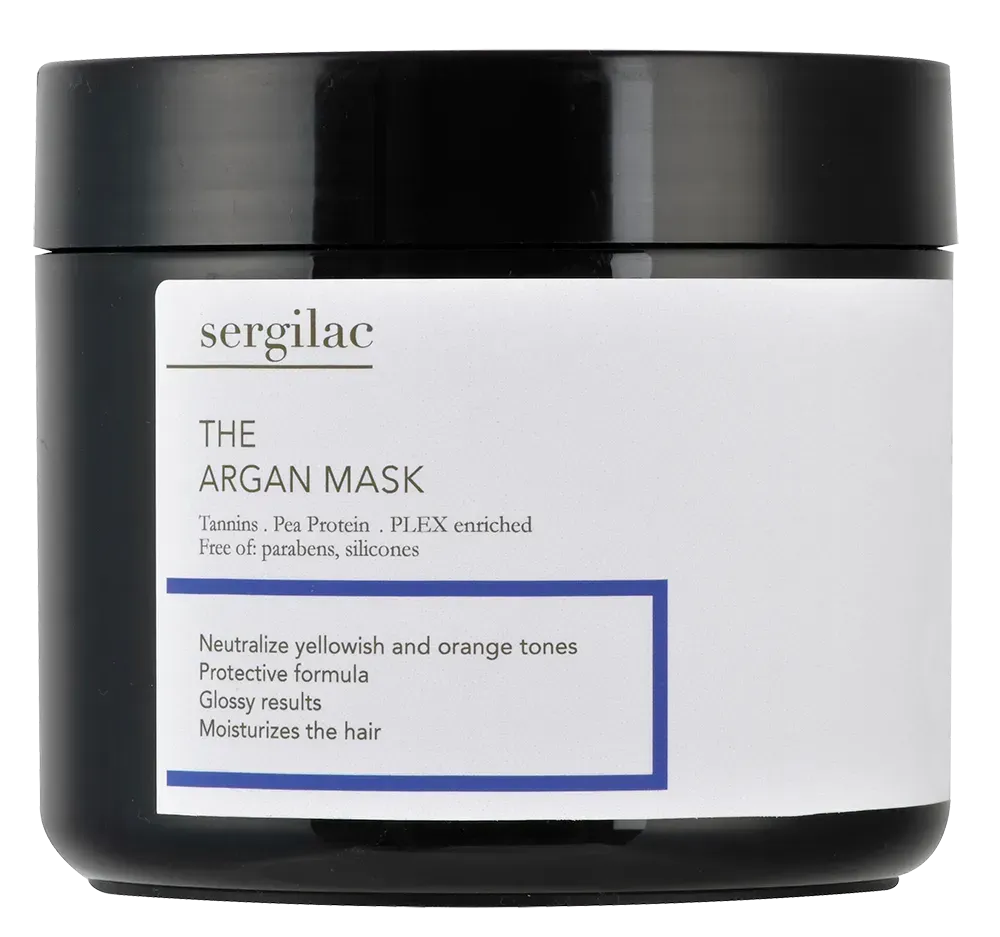
- Sergilac The Argan Mask with Argan Oil . It helps care for hair dried out by the summer sun, wind, salt water and frequent swimming in pools. Argan, abyssinian and avocado oils support strand nourishment, improve softness and make combing easier. UV filters help reduce the adverse effects of solar radiation on the hair. The mask is particularly suitable for lengths that become rough, dull and more prone to breakage after a holiday. Regular use helps maintain smoothness, elasticity and a healthier-looking shine.
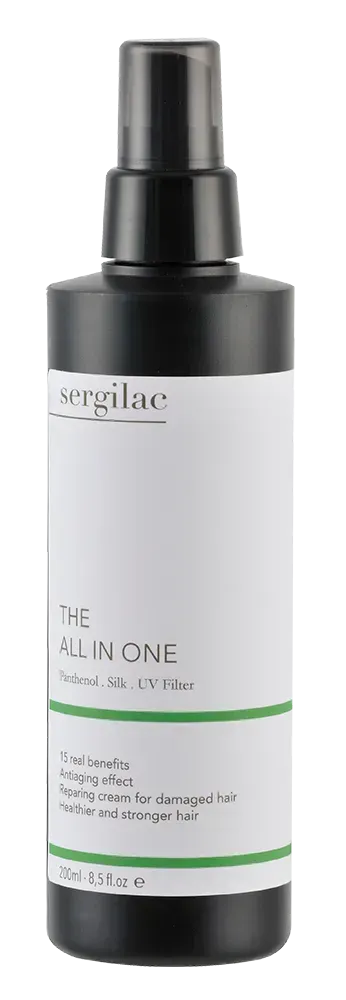
- Sergilac The All in One Multifunctional Spray. This is a convenient cosmetic product for summer hair care when hair is exposed to the sun, wind and salt water. UV filters help protect strands against the negative effects of solar radiation, while panthenol supports their hydration and smoothness. Silk proteins give hair softness, shine and elasticity, and also help reduce static. The spray makes tangled strands easier to comb after swimming in the sea or pool, simplifying daily hair care. It is a practical solution for holidays, when hair needs additional protection and smoothing without an elaborate routine.
The sea and hair after keratin straightening: is special care necessary?
If you have had keratin straightening, you should also treat your hair carefully after spending time by the sea. Sea salt and the sun damage hair, but these factors do not automatically cause the immediate loss of the treatment's results. However, repeated wetting, cleansing and mechanical friction place additional strain on the surface of the hair shaft.
After a holiday, it is worth paying attention to the quality of cleansing and conditioning, avoiding excessive drying of the lengths through frequent use of hot air, and following the manufacturer's recommendations for the specific professional treatment. It is particularly important not to try to compensate for dryness on your own by applying large amounts of oils or reconstructive products: an excess of cosmetics may weigh down the hair without addressing the cause of the damage.
You can find more information about whether it is worth having keratin straightening before a seaside holiday in our article Keratin Before Going to the Sea: Is It Worth Having the Treatment in Summer?.
How can you recognise that your hair needs regeneration?

There is no universal test that makes it possible to determine the percentage of hair damage at home. It is better to consider the overall combination of symptoms and changes in the condition of the hair lengths.
If your hair remains dry and brittle after a holiday, even after several washes and the use of conditioner, becomes easily tangled, has lost its shine, feels rough or has started to break excessively, basic care may not be enough. In this case, it is worth considering the use of regenerating products that provide deep and intensive treatment. The following products may be particularly effective:
- Nuance Spa Therapy Cold Hair Regeneration Kit. This is a professional complex for comprehensive care of hair and scalp prone to oiliness, hair loss and damage caused by chemical treatments. The set includes products for chelation, cleansing, clay treatment and final protection, which complement one another. Active ingredients, including amino acids, white clay, activated charcoal, tea tree oil, ginger and glycoamine, support cleansing, help maintain scalp balance and improve the condition of the hair lengths. The complex helps make strands smoother, more elastic and shinier, while increasing their resistance to external factors.
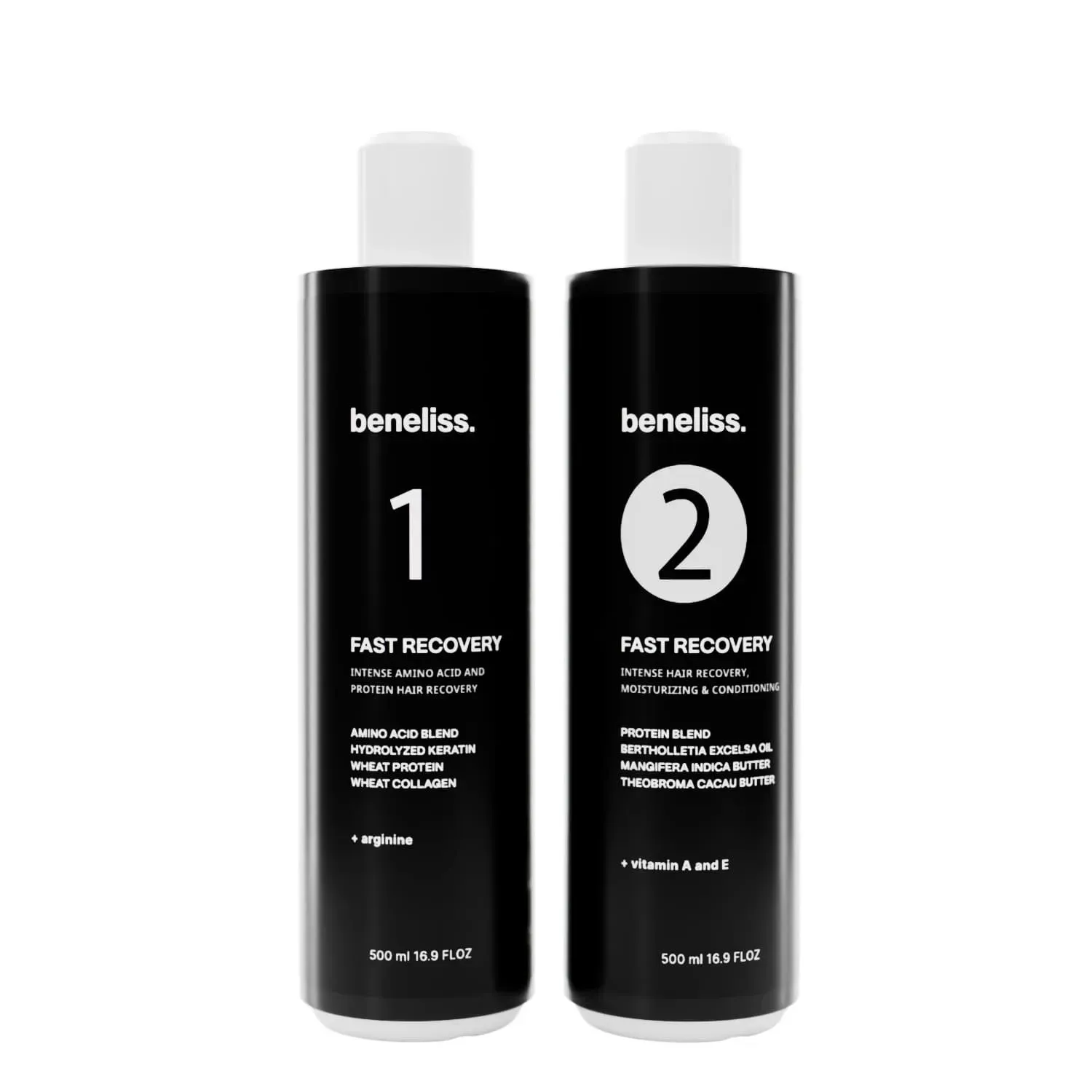
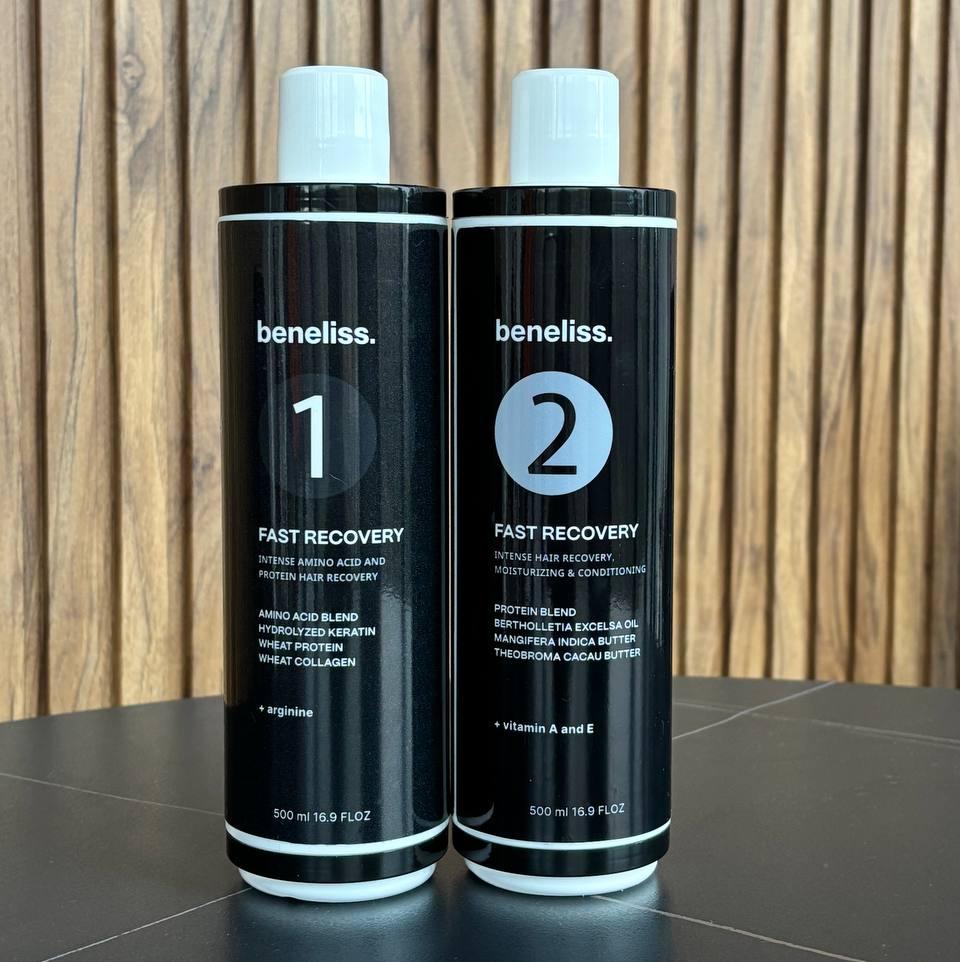
- Beneliss Fast Recovery 2x. This is a two-step treatment complex for dry, weakened and damaged hair following chemical treatments or exposure to high temperatures. The first step combines proteins and amino acids, including lysine, arginine and cysteine, which help support the strength and elasticity of the hair fibre. The second step complements the treatment with oils from Brazil nuts, grape seeds and cocoa, helping soften the hair and retain moisture. The complex helps improve smoothness, shine and manageability, giving the hair a more well-groomed appearance.
KeratinPro — a professional approach to hair care after spending time by the sea
Proper hair care does not begin with choosing a product with the most intensive action possible, but with understanding the actual condition of the hair. That is why KeratinPro offers a wide selection of professional cosmetics for hair care, regeneration and maintaining the results of salon treatments. The range includes shampoos that remove seawater salt residue, conditioners, masks, oils, fluids, serums, heat protection sprays and other products for home care.
The advantages of KeratinPro include a wide selection of professional products that address different hair care needs, cosmetics from well-known brands, products for both home use and professional applications, as well as the opportunity to receive advice when choosing suitable cosmetics.
After spending time by the sea, hair does not always require complicated regenerative treatments. The results often depend on consistent home care: gentle cleansing, conditioning, using products that protect the hair by the sea, and reducing mechanical and thermal stress. Properly selected professional cosmetics help maintain the hair lengths in better cosmetic condition throughout the year.
You can also read other interesting articles on our website, including: