

Get 10% off at Keratin.pro! Enter the promo code SUMMERX10 at checkout! P.S. The promo code is valid for all products except those already discounted.
Contents
Why does hair need special attention in summer?
1. Ignoring hair protection from the sun
2. Believing that seawater moisturizes hair
3. Not rinsing out chlorinated water after swimming in a pool
4. Washing hair less often solely because of the belief that frequent washing can be harmful
5. Avoiding conditioner because of fear of weighing the hair down
6. Using a hair mask every day instead of following a systematic hair care routine
7. Not adding a restorative step after sun exposure and heat styling tools
8. Using hot styling tools at maximum temperature
9. Aggressively brushing wet hair
10. Constantly wearing tight hairstyles
What should you do if your hair has already become dry and porous?
Summer is not only about the sun, sea, and relaxation, but also a period of increased stress on the hair. Ultraviolet radiation, chlorinated or seawater, high air temperatures, sweat, frequent washing, and the use of heat styling tools can gradually worsen the condition of the hair shaft. As a result, hair becomes drier, duller, rougher, more prone to frizz, and more likely to break.
At the same time, hair care in summer does not require dozens of products. It is much more important to avoid common mistakes and maintain a consistent routine. The foundation remains a three-step care routine: shampoo, mask, and conditioner. And if the strands have become noticeably dry or porous after intense sun exposure and heat styling, cold reconstruction can be added to the usual routine approximately once a week. Let us consider the mistakes in summer hair care and discuss the basic rules for caring for strands in more detail.
Why does hair need special attention in summer?
The hair shaft consists predominantly of keratin structures and does not have its own recovery system in the same way as living tissues. Therefore, damage to already formed hair primarily requires proper cosmetic care and protection from further exposure.
Ultraviolet radiation can cause the degradation of hair proteins and pigments, which makes hair lose its shine, become drier, and become less strong. For lightened, bleached, and gray hair, sun exposure can be particularly noticeable.
That is why the main task of summer hair care is to reduce the overall load and maintain the protective condition of the cuticle.




1. Ignoring hair protection from the sun
One of the most common mistakes is protecting only the skin from the sun while completely forgetting about the hair. Ultraviolet radiation does not only affect color: prolonged sun exposure can alter the structure of the hair fiber, reduce its strength, and contribute to dryness and breakage. The simplest way to reduce sun exposure is physical protection. Especially during prolonged periods outdoors, it is useful to:
- wear headwear that provides sufficient coverage of the hair;
- spend more time in the shade during the most active sunlight hours;
- use UV protection for the hair — leave-in products for the beach and holidays with stated protection against UV radiation, if this meets the needs of the hair.
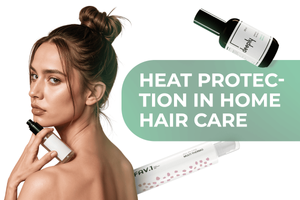
FAV.1 ALL IN ONE MULTI THERMO can be used as protection — a leave-in cream product for hair with stated protection against temperatures of up to 230 °C. The lightweight texture is evenly distributed along the length, should not leave a sticky feeling, and helps make the hair smoother and more manageable. The product also helps maintain softness, shine, and comfortable combing, making it especially useful for dry and damaged hair.
You can also choose holy protect spray — a lightweight leave-in spray. Milk proteins, coconut oil, and Ceramide NP complement the care of damaged hair, helping to make it smoother, softer, and more manageable. Pomegranate extract and witch hazel add caring properties to the formula, while the lightweight texture should not deprive the hair of its natural movement.
2. Believing that seawater moisturizes hair
After swimming, hair may appear more textured, denser, or even more voluminous. This does not mean that it has received enough moisture. Seawater contains dissolved salts, and after it dries, mineral components may remain on the surface of the hair. If hair is regularly left without subsequent rinsing and care after swimming, it may feel dry and rough. This is also one of the reasons why a porous hair structure may appear after sun exposure. Therefore, after spending a long time in the water, you should:
- rinse the hair with clean fresh water;
- do not leave salt on the hair until the next wash;
- use conditioner after cleansing;
- add a hair mask regularly if there is pronounced dryness.
It is precisely the three-step care routine of shampoo, mask, and conditioner that helps maintain a comfortable condition of the hair.
3. Not rinsing out chlorinated water after swimming in a pool
Chlorinated water is another factor that should not be underestimated. According to the American Academy of Dermatology, chlorine can affect the lipid protection of the hair and protein bonds, increasing its susceptibility to damage. This can be particularly noticeable on already lightened or damaged strands. And when combined, chlorine and sunlight damage the hair even more strongly.
After swimming in a pool, you should not simply dry your hair and wait until the next wash. It is better to rinse away the remaining water with clean water immediately, and then carry out your usual cleansing and conditioning routine. Before swimming, additional protection can also be provided by a swimming cap or a suitable leave-in product.
Such a simple action helps prevent the accumulation of unnecessary factors on the hair that contribute to dryness and damage.
4. Washing hair less often solely because of the belief that frequent washing can be harmful
There is no universal rule according to which hair should be washed a strictly defined number of times per week in summer. The frequency of washing depends on the activity of the sebaceous glands, hair type, physical activity, the amount of styling products used, and how quickly the scalp becomes dirty.
If a person sweats more in hot weather, exercises, or uses styling products every day, the need for cleansing may increase. The American Academy of Dermatology recommends primarily considering how quickly the hair and scalp become oily or dirty. It is only important to wash the hair correctly:
- apply shampoo primarily to the scalp;
- there is no need to vigorously rub the shampoo through the entire length;
- the lather that passes over the hair during rinsing is usually sufficient to cleanse the length;
- use conditioner after washing.
This principle allows you to cleanse the scalp without unnecessary mechanical and cleansing stress on the lengths.
And if you are looking for the best shampoo, pay attention to FAV.1 AQUA WAVE SHAMPOO. This is a gentle moisturizing shampoo for dry, dehydrated, and tired hair that particularly needs support in summer. The product gently cleanses the scalp, helps maintain a comfortable level of moisture, and leaves the hair soft and light. A complex of marine minerals and plant-based components complements daily care and helps the hair better withstand the effects of external factors. During the summer period, the shampoo is particularly appropriate after active sun exposure, swimming, and more frequent hair washing.
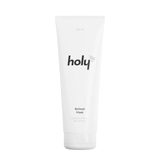
Another good option may be holy refresh shampoo. It is designed for gentle cleansing of normal and dry scalps while simultaneously caring for the lengths. Wheat proteins, aloe vera, trehalose, and olive oil complement the formula with components that promote softness, smoothness, and comfortable combing of the hair. The shampoo helps cleanse the hair without leaving an excessively dry feeling, which is particularly relevant during periods of more frequent washing. In summer, it will be a practical option for regular cleansing after heat, physical activity, and time spent outdoors.
5. Avoiding conditioner because of fear of weighing the hair down
In summer, many people are afraid of conditioner because they want to preserve lightness and root volume. However, conditioning is not needed only for dry hair. It helps detangle the hair, improves its manageability, and reduces mechanical stress during combing.
The problem is usually not the conditioner itself, but choosing and applying it incorrectly. For fine hair, the product can be applied primarily to the lengths and ends, avoiding the roots.
6. Using a hair mask every day instead of following a systematic hair care routine
Another extreme is trying to compensate for the summer stress with daily hair masks. More cosmetic care does not always mean a better result. The frequency of mask use should depend on the condition of the hair, its porosity, thickness, and the number of previous chemical treatments. It is better to build a basic system consistently:
- shampoo cleanses the scalp and hair of impurities;
- the mask provides more intensive conditioning, moisturizing, and restorative care for the lengths;
- the conditioner completes the procedure and helps make the hair smoother and more manageable.
And if you are looking for the perfect mask, pay attention to FAV.1 AQUA WAVE MASK. It helps restore softness, smoothness, and a well-groomed appearance to dry and dull hair. An acidic pH level of approximately 4.5–5.5 promotes smoothing of the hair surface after washing and helps maintain a feeling of smoothness. The mask supports moisture levels, softens the lengths, reduces frizz, and makes combing easier. In summer, it can be included in a basic three-step care routine, especially if the sun, seawater, or chlorinated water has made the hair drier and more difficult to manage.
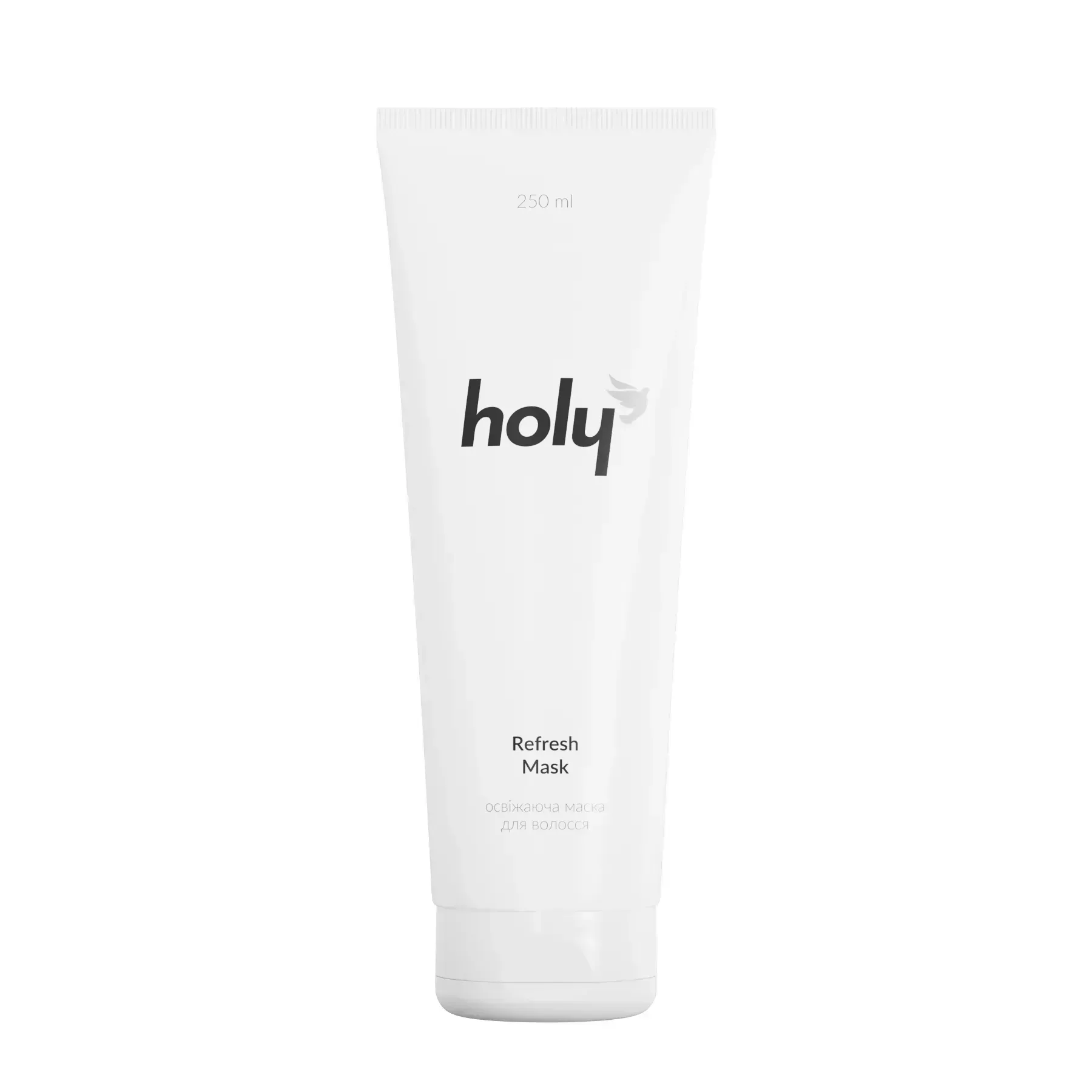
Another excellent find for summer is holy refresh mask — an intensive treatment for dry, dull, and damaged hair that lacks softness and elasticity. Wheat germ and argan oils complement the care of the lengths, while panthenol, vitamin E, and plant extracts help maintain a comfortable condition of the hair. Collagen in the composition contributes to the conditioning effect, making the hair smoother and more manageable after the treatment. In summer, the mask is particularly suitable for lengths that have become drier after sun exposure, swimming, or regular use of heat styling tools.
7. Not adding a restorative step after sun exposure and heat styling tools
If hair is regularly exposed to intense sunlight while also being subjected to the effects of a hair dryer, flat iron, or curling iron, the stress becomes combined. Excessive heat itself can damage hair, so dermatologists recommend limiting the frequency of using hot tools and choosing a low or medium temperature setting.
In cases of pronounced dryness or porosity after intense sun exposure and heat styling, it is appropriate to add cold restoration after summer to the basic care routine approximately once a week. This is not a replacement for shampoo, mask, and conditioner, but an additional step for hair that requires more intensive cosmetic care. You can learn a little more about the details of this procedure in our article .
A good option for restoring the strands is holy cold restore. This is a two-step cold restoration system for dry, porous, and damaged hair that does not involve the use of high temperatures. Step 1 combines moisturizing components, panthenol, and aloe, helping to make the hair softer and more elastic, while Step 2 completes the procedure and promotes a smoother surface. Plant oils and squalane complement the conditioning care, helping to reduce the feeling of dryness and frizz.
8. Using hot tools at maximum temperature
Summer often creates a paradoxical situation: the hair is already exposed to sunlight, but the person continues to straighten it with a flat iron every day or create curls with a curling iron. High temperatures do not make hair healthier, even if it looks smooth after styling. To reduce the risk of heat damage, it is worth following several rules:
- do not use the maximum temperature without necessity;
- do not pass the flat iron over the same section many times;
- completely dry the hair before using a flat iron;
- reduce the frequency of hot styling;
- use a heat protectant designed to work with heat.
Dermatologists also recommend partially drying the hair naturally before styling and reducing the frequency of using a hair dryer and other hot tools. It is also worth providing the strands with gentle care after using heat styling tools.
9. Aggressively brushing wet hair
After the sea, swimming pool, or shower, hair is often brushed immediately, especially when it is necessary to quickly create a hairstyle. However, wet hair requires more delicate handling, as mechanical stress can contribute to damage.
It is better to first gently blot the hair with a towel without rubbing it, and then gradually detangle the length. The American Academy of Dermatology recommends using a wide-toothed comb and starting to comb from the ends, gradually moving upward.
This is especially important for long, porous, curly, or damaged hair, which tangles and breaks more easily.
10. Constantly wearing tight hairstyles
In hot weather, you want to keep the hair away from your face and neck, so ponytails, buns, and braids become practically everyday hairstyles. A ponytail itself is not a problem, but constant strong pulling on the hair can create mechanical stress.
According to dermatologists' recommendations, regularly wearing tight hairstyles that pull on the hair can contribute to breakage and, with prolonged tension, even persistent hair loss in areas subjected to constant pulling.
Therefore, in summer it is better to alternate hairstyles and not pull the hair too tightly. If the scalp hurts after releasing the hairstyle or a feeling of tension appears, this is a signal to loosen the fixation.
What should you do if your hair has already become dry and porous?
Dryness, roughness, loss of shine, increased frizz, and breakage after summer may indicate an accumulation of damage to the hair. At the same time, you should not expect instant restoration after a single procedure: damaged lengths require systematic care, while new strands are formed from the follicle.
If the hair is dry and brittle after summer, in such a situation it is worth temporarily reducing the number of aggressive procedures and focusing on gentle cleansing, conditioning, protection from heat, and regular care of the lengths. If the hair has become very brittle and the problem is accompanied by changes in the scalp or noticeable hair loss, it is advisable to consult a dermatologist.
KeratinPro — a professional approach to hair care
Proper summer care begins not with the maximum number of products, but with an understanding of the needs of the hair. KeratinPro helps create a systematic approach: choose basic care for cleansing and conditioning, supplement it with products for protection from external factors, and separately address the need for more intensive care if the hair has become dry or porous.
The advantage of a systematic approach is that each step has its own purpose. Shampoo is responsible for cleansing, masks for dry hair — for intensive care of the lengths, conditioner — for conditioning and comfortable combing, while additional restorative products are used when the condition of the hair requires them.
Summer does not necessarily have to end with dry and brittle ends. Sun protection, proper cleansing after swimming, temperature control during styling, gentle combing, and consistent three-step care help reduce the daily stress on the hair and preserve its smoothness, shine, and elasticity.
You can also read other interesting articles on our website, including: